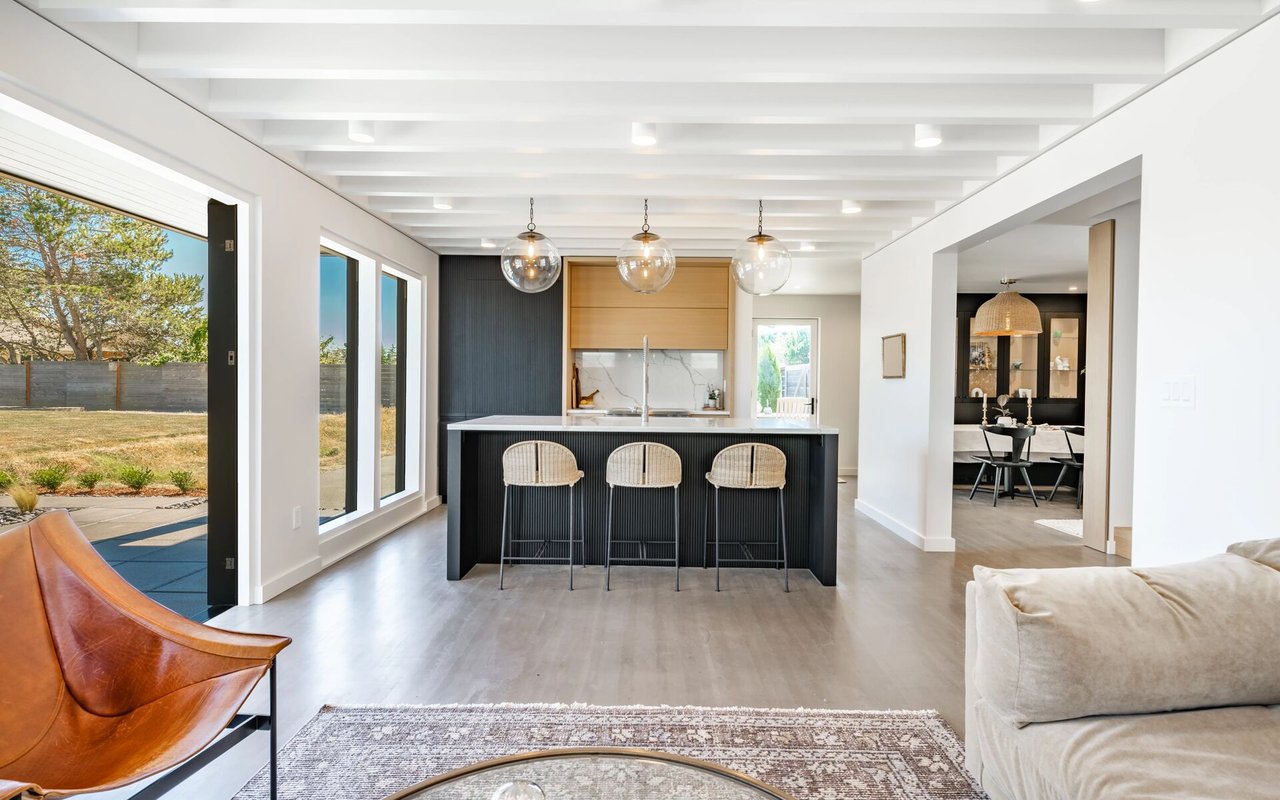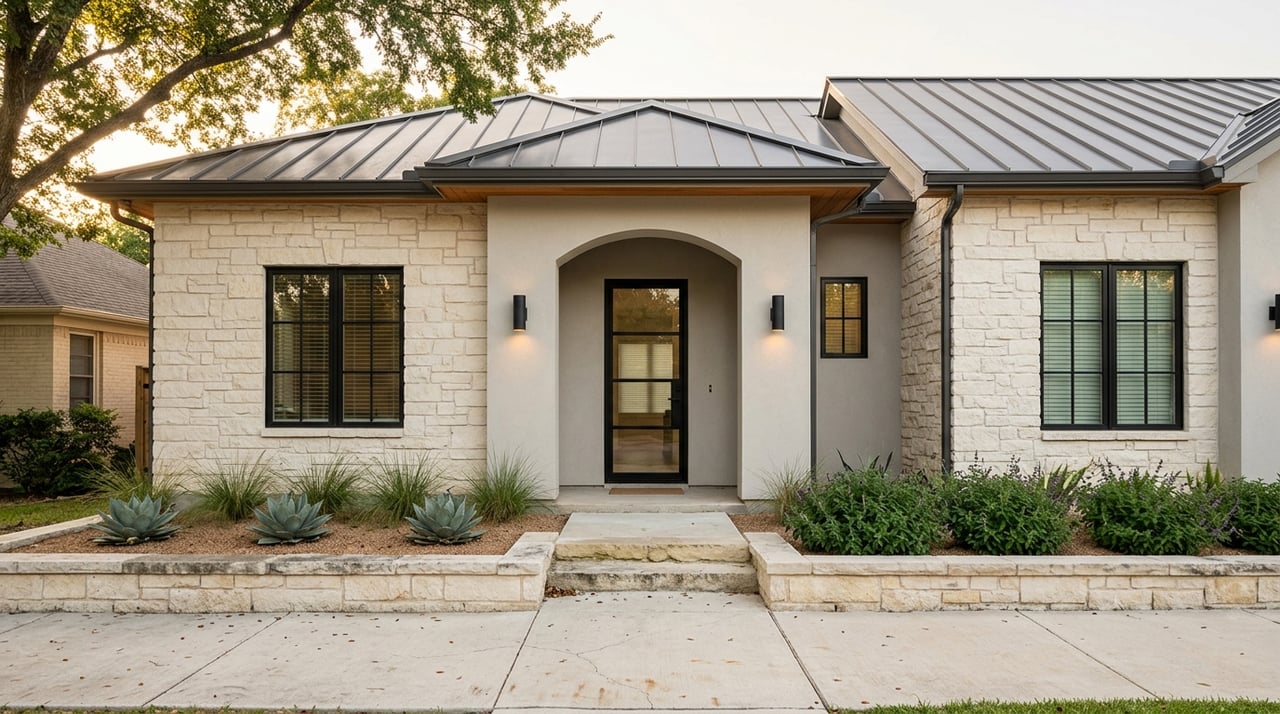
Trying to choose between a townhome and a house in Garland? You are not alone. For many buyers, this decision comes down to budget, maintenance, privacy, and how you want to live day to day. If you are weighing your options in Garland, this guide will help you compare the trade-offs clearly so you can move forward with confidence. Let’s dive in.
Garland home prices at a glance
If price is one of your biggest concerns, Garland’s current market snapshots suggest townhomes usually sit lower on the pricing ladder than single-family houses. Public listing data shows single-family homes in Garland with a median listing price around $319,000, while townhome listings are showing at a lower median level, with Redfin reporting townhouse listings around $245,000.
That gap matters if you are a first-time buyer or simply trying to keep your monthly payment more manageable. It does not mean every townhome is inexpensive or every house is out of reach, but it does show a clear pattern in Garland’s current listings.
Visible townhome listings in Garland are mostly falling in roughly the $190,000 to $390,000 range. Single-family homes show a wider spread, from about $149,900 to $599,000, with many listings clustering in the upper $200,000s to mid $300,000s.
Townhomes vs houses in Garland
At a high level, townhomes and houses serve different needs. Garland’s development code treats single-family detached homes and single-family attached townhomes as different residential forms, and that difference shows up in cost, lot size, privacy, and upkeep.
A townhome can be a strong fit if you want a lower entry price and less outdoor space to manage. A house may be the better option if you want more separation from neighbors, a larger yard, and more room to adjust the property over time.
When a townhome may make more sense
A townhome can work well if you want a simpler day-to-day ownership experience. Because attached-home communities often include shared spaces and HOA-managed elements, you may have fewer exterior tasks to handle on your own.
That can be appealing if you have a busy schedule, travel often, or just do not want to spend weekends doing as much yard work. In Garland, current townhome inventory also points to a lower typical price point than detached homes, which may help buyers enter the market sooner.
Some Garland townhome communities may also offer shared amenities. One local example, Riverset, markets townhomes with access to green space, trails, a dog park, a playground, a pool with cabanas, and other community features.
When a house may be the better fit
A single-family house is often the better fit if private outdoor space matters to you. Current Garland listings show townhome lots around 1,002 to 3,790 square feet, while single-family examples range much larger, including lot sizes over 7,000 square feet and up to about 0.56 acre in visible listings.
That extra space can make a big difference in how you use your home. You may want a larger yard, more distance from neighbors, extra storage, or room for future outdoor improvements.
Garland’s city rules for accessory buildings also point to more flexibility on many single-family lots, subject to permits and any deed or HOA restrictions. If you are already thinking about a shed, detached garage, patio expansion, or similar upgrade, a house may give you more options to explore.
Compare the lifestyle trade-offs
The best choice is not only about price. It is also about how you want your home to function for your routine, your budget, and your future plans.
Here is a simple side-by-side look at the usual trade-offs in Garland based on current listing patterns and local rules.
| Feature | Townhome | Single-Family House |
|---|---|---|
| Typical current price position | Usually lower | Usually higher |
| Exterior maintenance | Often reduced through HOA structure | More often handled by owner |
| Lot size | Usually smaller | Usually larger |
| Privacy | More shared walls and closer spacing | More separation from neighbors |
| Amenities | More likely in planned communities | Less common unless community-based |
| Flexibility for outdoor additions | More document-dependent | Often greater, subject to city and HOA rules |
HOA rules matter more than property type alone
One of the biggest mistakes buyers make is assuming all townhomes work the same way. In Texas, HOA and POA obligations are heavily driven by the community’s governing documents.
The Texas State Law Library explains that HOA rights and responsibilities depend on the association’s rules and state law. Texas Property Code Section 204.010 also allows property owners’ associations to collect assessments, regulate maintenance and appearance, and charge fees for common-area use or services.
In plain terms, that means you need to look past the label of “townhome” or “house.” What really matters is what the specific community documents say about dues, maintenance, restrictions, and shared services.
What HOA dues may cover
In some Garland townhome communities, HOA dues may help cover items like common-area maintenance, landscaping, gates, pools, or other shared features. In other communities, the coverage may be narrower.
The exact split is not automatic. It depends on the declaration, bylaws, and other governing documents for that community.
What to review before you buy
When you tour a Garland townhome or house in an HOA community, ask direct questions like:
- What are the current HOA dues?
- What exactly do the dues cover?
- Is exterior maintenance included?
- Is roof maintenance or replacement addressed?
- Is landscaping covered?
- Are gates, pools, or shared amenities included?
- How is parking assigned?
- Are there rules on fences, sheds, or rental use?
These questions can help you avoid surprises later. They also make it easier to compare two homes that may look similar on the surface but come with very different monthly costs and rules.
Think about your future use of space
If you are deciding between a Garland townhome and a house, think beyond the first year. Ask yourself how you want the property to serve you over the next three to five years.
For example, do you want a low-maintenance setup with less exterior work? Or do you want room to garden, entertain outside, store equipment, or make future improvements? Your answer may point you clearly toward one property type.
A townhome may be a better fit if you want a more compact, easier-to-manage footprint. A house may be the stronger choice if flexibility, yard use, and private space rank high on your list.
Which option fits different Garland buyers?
There is no one-size-fits-all answer, but Garland’s current market data does suggest some common patterns.
First-time buyers
If you are buying your first home, a townhome may offer a more accessible starting point because the typical current price point is lower than many single-family homes. It can also feel less overwhelming if you want to ease into homeownership with fewer exterior tasks.
That said, you still need to weigh HOA dues carefully. A lower price does not always mean a lower total monthly cost once dues are factored in.
Buyers who want more privacy
If privacy is a top priority, a detached house will usually give you more separation from neighbors and more control over your outdoor space. The larger lot sizes visible in Garland listings support that difference.
This can be especially important if you want room for hobbies, pets, storage, or future outdoor improvements. A house often gives you more breathing room, both literally and financially, when planning changes to the property.
Buyers focused on convenience
If convenience matters most, a townhome may check more boxes. Shared amenities and HOA-managed upkeep can make ownership feel more streamlined, especially if you prefer less hands-on exterior maintenance.
This setup can be attractive if your schedule is full and you want more of a lock-and-leave lifestyle. Just make sure the convenience you want is actually spelled out in the HOA documents.
A smart way to decide in Garland
If you are still torn, the simplest next step is to compare real examples side by side. Tour a few Garland townhomes and a few similarly priced single-family homes, then evaluate each one using the same checklist.
Pay close attention to:
- Price
- HOA dues
- Lot size
- Parking setup
- Exterior maintenance responsibilities
- Privacy from neighbors
- Storage options
- Rules for future changes
- Access to amenities
When you compare homes this way, the right fit often becomes much clearer. What looks best online is not always what feels best once you match it to your daily life and long-term goals.
If you want help comparing Garland townhomes and houses, Evelyn Escuadra offers warm, personalized guidance to help you weigh the numbers, the lifestyle trade-offs, and the fine print so you can buy with confidence.
FAQs
Are townhomes usually cheaper than houses in Garland?
- Current public listing snapshots suggest yes. Garland townhomes are generally showing below single-family homes in current median listing price.
Do Garland townhomes always include exterior maintenance?
- No. Exterior maintenance depends on the HOA’s governing documents, not just on the property being a townhome.
Do Garland houses usually have larger lots than townhomes?
- Yes. Current Garland listing examples show single-family homes generally offering larger lot sizes than townhomes.
Should Garland buyers worry about HOA rules before buying?
- Yes. In Texas, HOA obligations, restrictions, and maintenance responsibilities are document-driven, so reviewing those details is essential.
Which is better in Garland for more privacy, a townhome or a house?
- A single-family house is usually better for privacy because it typically offers more separation from neighbors and more private outdoor space.