Wondering whether an older home or a newer build makes more sense in Rockwall? You are not alone. In a city that has grown quickly and offers both historic charm and newer planned communities, this choice can shape your budget, lifestyle, and long-term maintenance. Here is what to compare so you can move forward with more confidence. Let’s dive in.
Why this choice matters in Rockwall
Rockwall gives you a real mix of housing options. The city’s 2024 population estimate is 53,547, up 13.2% from 2020, and the owner-occupied housing rate is 72.5%. The median value of owner-occupied homes is $411,700, which makes it important to weigh value carefully before you buy.
Most of Rockwall’s 17,696 single-family homes were built between 1990 and 2025. That means many buyers are deciding between established homes in older areas and a large supply of newer construction. In other words, this is not just an age question. It is a lifestyle, maintenance, and planning question too.
What older Rockwall homes offer
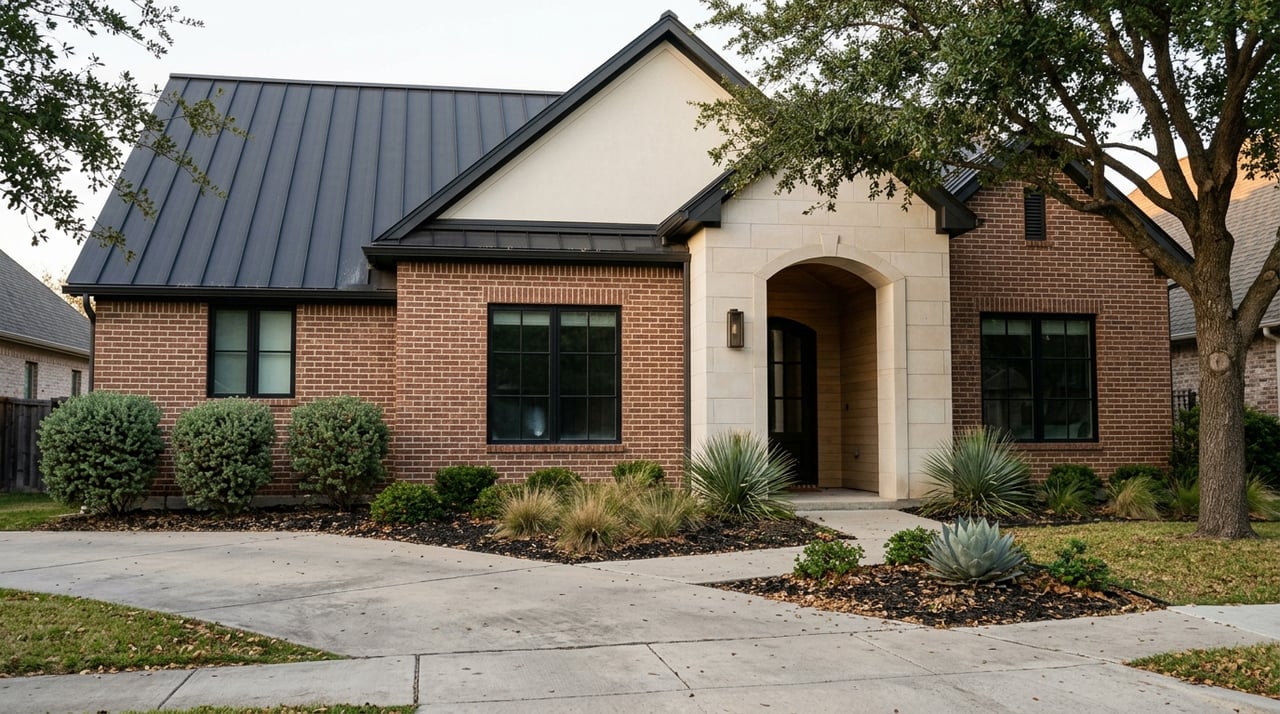
Older homes in Rockwall are often found in and around Old Town Rockwall and nearby established corridors. The Old Town Rockwall Historic District covers about 92 acres and includes 160 residential properties with homes built from 1885 onward. That history shows up in the streetscape and in the homes themselves.
One of the biggest draws is character. The city describes local historic housing styles that include Folk L plans, Queen Anne revivals, California bungalows, and Minimal Traditional houses. For you as a buyer, that often means more architectural variety, more distinct curb appeal, and floor plans that feel less standardized than newer tract-style homes.
Character and location can be a big plus
If you love porch-forward homes, mature surroundings, and a less cookie-cutter feel, an older Rockwall home may stand out right away. Many of these homes feel unique because they were built across different decades and design periods. That can be hard to replicate in newer subdivisions.
Location can also be part of the appeal. Established areas may place you closer to Old Town destinations and long-standing parts of the city. If lifestyle and neighborhood character matter most to you, an older home can be worth a closer look.
Some historic homes may offer tax benefits
Rockwall offers a Structure Preservation Tax Exemption for qualifying historic-district properties. If approved, the tax value tied to qualifying improvements can be frozen for five or seven years depending on the size of the project. That will not apply to every home, but it is a meaningful question to ask if you are considering a property in the historic district.
Older homes need deeper due diligence
The tradeoff is usually maintenance and project planning. In Rockwall’s historic overlay, exterior alterations, restorations, reconstruction, new construction, moving, or demolition can require a Certificate of Appropriateness. The building department may also require permits for many common projects.
That matters if you hope to update windows, change exterior materials, build an addition, or make other visible changes. Before you fall in love with an older home, make sure you understand what work has been done, what approvals may be needed, and what future updates could cost.
What newer builds offer in Rockwall
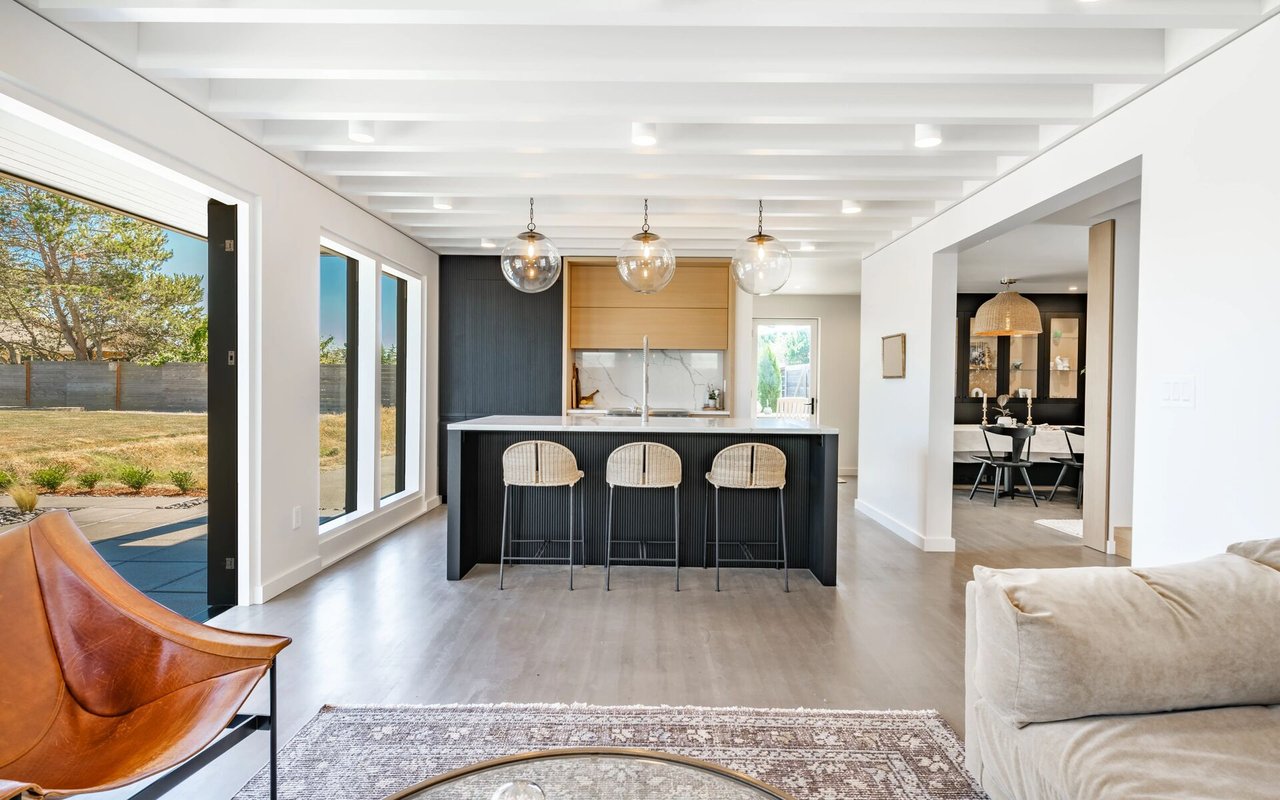
Newer construction in Rockwall often leans toward planned-community living with defined lot sizes and current floor plans. Community examples include lot widths from 60 to 100 feet, with homes commonly offering open-concept layouts and larger footprints. Many newer homes in Rockwall also include flex rooms, media rooms, game rooms, two-story living areas, and 3-car garages.
If your priority is space that works for today’s routines, newer builds may feel easier from day one. You may find layouts that support work-from-home needs, entertaining, storage, and multi-use rooms without immediate renovation.
Newer homes start with current code
A major advantage of newer homes is that they start from a more current construction baseline. The City of Rockwall has adopted the 2021 International Energy Conservation Code with amendments that require air and duct leakage testing for one- and two-family dwellings. That does not guarantee low utility costs, but it does mean newer homes generally begin with stronger efficiency standards than many older homes.
For your monthly budget, that can matter. Older homes often have less insulation than homes built today, and air leakage can account for 30% or more of heating and cooling costs. So while every home is different, a newer build may reduce the chance of needing immediate insulation or air-sealing upgrades.
Predictability is often the hidden benefit
Many buyers focus on finishes, but predictability is often just as valuable. A newer home may bring fewer near-term replacement items, clearer maintenance timelines, and a layout that matches modern expectations. That can be especially helpful if you want a more move-in ready experience.
Still, newer does not mean maintenance-free. You should still check drainage, irrigation, mechanical systems, and builder punch-list items before closing.
How North Texas weather affects both options
In Rockwall, weather should be part of your decision no matter which home style you prefer. Texas deals with frequent hail, and the City of Rockwall notes that North Texas thunderstorms can bring large hail, damaging winds, tornadoes, and lightning. That makes exterior durability a major part of homeownership.
For both older homes and newer builds, you will want to pay close attention to the roof, gutters, grading, drainage, and exterior materials. A beautiful home can become an expensive home if storm-related wear has not been properly addressed.
Key costs to compare before you buy
When you compare an older home to a newer one, the list price is only part of the story. What matters more is your likely total cost over the first few years.
For older homes, look closely at:
- Roof age
- HVAC replacement timing
- Insulation levels
- Window condition
- Electrical updates
- Plumbing updates
- Foundation movement
- History of additions or unpermitted work
For newer homes, focus on:
- Drainage and grading
- Irrigation performance
- Mechanical system setup
- Roof and exterior storm exposure
- Builder punch-list items
- Overall finish quality
A lower-maintenance home is not always the newer one, and a charming older home is not always the riskier one. The real answer comes from inspection details, permit history, and the condition of the property in front of you.
A practical Rockwall buyer checklist
If you are deciding between an older home and a newer build in Rockwall, use this checklist to compare homes side by side:
- Confirm permit history
- Ask about roof age and storm damage
- Review foundation and drainage
- Compare utility bills if available
- Check insulation and air-sealing quality
- Verify whether a Certificate of Appropriateness is needed for exterior changes if the home is in or near Old Town Rockwall
This simple review can tell you more than the home’s age alone. It can also help you avoid surprises after closing.
Which option fits your goals best?
An older Rockwall home may be the better fit if you value character, established surroundings, and the possibility of historic-district incentives. You may also enjoy the individuality that comes with older architecture and less standardized design. If that is your style, the extra research may feel worth it.
A newer build may be the better fit if you want open-concept living, current code standards, larger garages, and fewer immediate upgrade projects. If you are balancing a busy schedule, planning around a fixed budget, or simply want a more predictable start, that can be a major advantage.
In the end, the smartest choice is usually not about old versus new. It is about condition, long-term cost, and how the home fits the way you live.
If you want help comparing neighborhoods, weighing repair risk, or narrowing down the right fit in Rockwall, Evelyn Escuadra offers warm, local guidance to help you buy with clarity and confidence.
FAQs
Should I buy an older home or a newer build in Rockwall?
- The right choice depends on what matters most to you. Older homes often offer more character and architectural variety, while newer builds usually offer more modern layouts, current code standards, and fewer immediate upgrade needs.
What should I inspect carefully in an older Rockwall home?
- Pay close attention to the roof, HVAC, insulation, windows, electrical, plumbing, foundation, and any history of additions or unpermitted work. If the home is in or near Old Town Rockwall, also check whether exterior changes may require a Certificate of Appropriateness.
Are newer homes in Rockwall more energy efficient?
- In many cases, yes. The City of Rockwall has adopted the 2021 International Energy Conservation Code with local amendments, including air and duct leakage testing for certain homes, which gives newer builds a more efficient starting point than many older homes.
Do historic homes in Rockwall come with special rules?
- Yes. In Rockwall’s historic overlay, some exterior alterations, restoration work, reconstruction, new construction, moving, or demolition may require a Certificate of Appropriateness, and permits may still be needed for common projects.
Can a historic Rockwall home offer tax savings?
- Some qualifying historic-district properties may be eligible for Rockwall’s Structure Preservation Tax Exemption, which can freeze the tax value tied to qualifying improvements for five or seven years depending on project size.
What matters more in Rockwall, home age or home condition?
- Condition usually matters more. Inspection results, permit history, roof and storm exposure, drainage, and maintenance quality often have a bigger impact on your long-term costs than the home’s age by itself.